

Winter energy bills can increase quickly, even in areas with relatively mild winters like Upstate South Carolina. As temperatures drop, heating systems run longer, and small inefficiencies can lead to noticeably higher costs. Many homeowners assume the only solution is expensive upgrades or major home renovations but that’s not always necessary.
These tips are designed for consumers, both homeowners and renters, who want to lower energy bills in winter without major renovations.
If you’re trying to cut winter heating costs without major renovations, there are several practical steps you can take right now. With smart adjustments and regular maintenance, you can improve energy efficiency, reduce heating costs, and stay comfortable all winter long.
Schedule a Winter Efficiency Check
Why Winter Energy Bills Are Higher
Higher winter energy bills are usually caused by increased heating demand and inefficient system operation. When warm air escapes or systems struggle to circulate air properly, your home requires more energy and fuel to maintain a comfortable temperature, which can lead to a higher heating bill.
Common causes include:
- Air leaks around doors and windows
- Dirty HVAC components
- Inefficient thermostat settings
- Poor airflow
- Dry indoor air
Sealing air leaks with caulking or weather stripping can reduce fuel usage by 7 to 10%. Adding insulation in the attic can help keep more heat in rooms and reduce energy costs. Addressing these issues can significantly reduce winter heating costs without the need for major home upgrades.
How to Lower Energy Bills in Winter With Smarter Thermostat Use
One of the easiest ways to reduce heating costs in winter is by adjusting your thermostat. Lowering the temperature by just 1–2 degrees can significantly reduce energy use over time.
Using a programmable or smart thermostat allows you to automatically reduce heating when you’re asleep or away from home. This improves HVAC efficiency while maintaining comfort when you need it most.
Replace Air Filters to Improve HVAC Efficiency
Dirty air filters restrict airflow, forcing your heating system to work harder. This increases energy usage and shortens system lifespan.
To improve energy efficiency:
- Check filters monthly
- Replace them as needed
- Use manufacturer-recommended filters
These simple habits improve performance while helping your home stay comfortable.
Seal Drafts to Lower Energy Bills Without Renovations
Air leaks are one of the biggest contributors to heat loss. Sealing gaps around doors, windows, and utility penetrations helps keep warm air inside where it belongs. Make sure to seal air leaks throughout your home for maximum efficiency.
Simple solutions include:
- Weatherstripping
- Caulking visible gaps
- Using draft blockers
Sealing air leaks around doors and windows can reduce fuel usage by as much as 7 to 10%. Using draft stoppers or door sweeps can help prevent cold air from entering through gaps at the bottom of doors, and using a draft stopper can help reduce heating costs. Also, check your attic and chimney for leaks—sealing or insulating these areas can prevent significant heat loss and further lower your energy bills.
These fixes are inexpensive and effective for homeowners looking to cut energy bills without renovations.
Use Ceiling Fans to Reduce Heating Costs
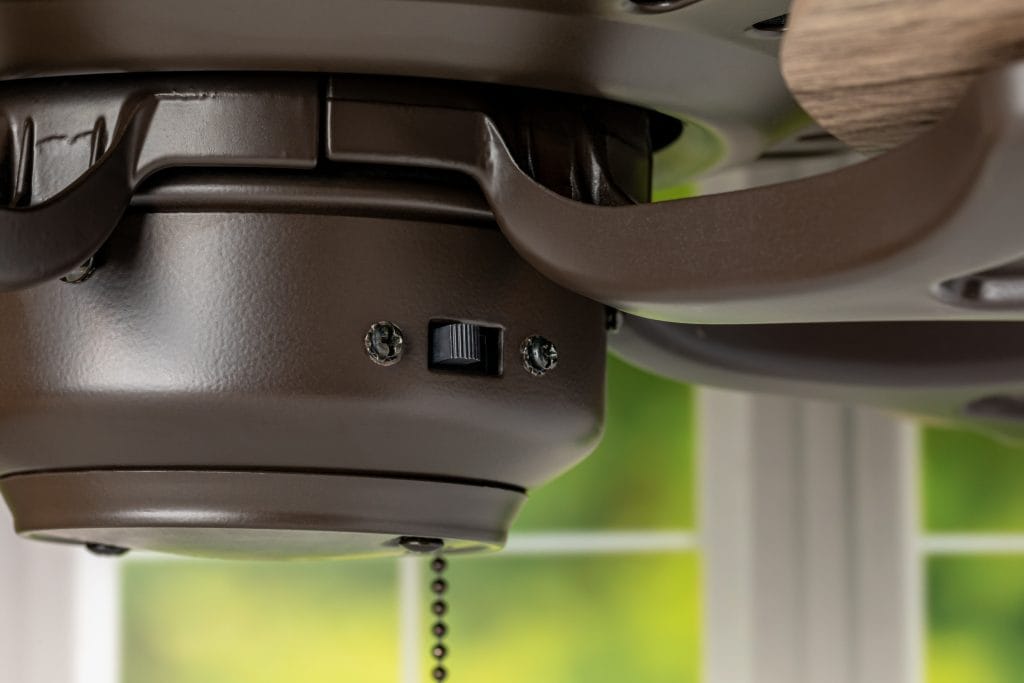
Ceiling fans can help redistribute warm air that naturally rises to the ceiling. Running fans clockwise at a low speed pushes warm air back down into living spaces.
This allows you to feel warmer without raising thermostat settings, helping reduce overall heating costs.
Close Off Unused Rooms the Right Way
Heating rooms that aren’t being used can quietly waste a lot of warmth during winter. By partially closing vents and doors in unused rooms, you can help direct warm air to the areas of your home that are occupied most often.
It’s important not to fully close vents or block airflow completely. Doing so can create pressure problems in your HVAC system and reduce overall efficiency. Instead, aim for a balanced approach that improves airflow where it’s needed while allowing your system to operate properly.
Used correctly, this simple adjustment can improve comfort and help reduce heating costs without requiring any changes to your home’s structure.
Schedule HVAC Maintenance for Winter Energy Savings
Routine HVAC maintenance helps systems operate at peak capability. Dust buildup, worn components, and airflow issues all contribute to higher energy use.
Professional maintenance can:
- Improve HVAC capability
- Identify minor issues early
- Reduce energy waste
- Help stabilize winter energy bills
A well-maintained heat pump can use up to 25 percent less fuel than a neglected one, making regular maintenance an effective way to lower heating costs.
For homeowners, this is one of the most effective winter energy saving tips available.
Keep Vents Clear for Better Energy Efficiency
Blocked vents restrict airflow and reduce comfort. Make sure vents and registers are open, clean, and unobstructed by furniture or rugs.
Proper airflow ensures heat is distributed evenly, improving energy capabilities throughout the home.
Manage Indoor Humidity to Save Energy
Dry air feels colder, which often causes homeowners to turn up the heat. Maintaining proper indoor humidity can make your home feel warmer at lower temperatures.
Using a humidifier helps:
- Improve comfort
- Reduce thermostat adjustments
- Support energy savings
Lower Winter Energy Bills With Efficient Lighting Choices
Making smart lighting choices is a simple yet effective way to lower your winter energy bills without major renovations. Swapping out traditional incandescent bulbs for energy-efficient LED light bulbs can make a noticeable difference in your electricity use. LEDs use up to 90% less energy than standard bulbs, helping you save money on your utility bills while keeping your home well-lit and comfortable during the darker winter months.
Beyond just changing bulbs, pay attention to where warm air might be escaping. Air leaks around window frames, door frames, and even electrical outlets can let cold air in and heated air out, forcing your heating systems to work harder and driving up costs.
Take advantage of natural light to help naturally heat your home. On sunny winter days, open curtains or blinds to let the sun warm your living areas. This can reduce the need for artificial heating and help lower temperatures on your thermostat. When the sun goes down, close blinds and curtains to keep the warm air inside and block out the cold.
By combining efficient lighting and smart use of natural light, you can reduce your energy use, save money, and enjoy a warmer, more energy-efficient home all winter long. Small changes add up.
When to Call a Professional
If you’ve tried these steps and your bills remain high, there may be deeper issues such as duct leaks or system inefficiencies. Conducting an energy assessment can help identify areas where insulation and sealing improvements are needed. A trained energy assessor can evaluate your home’s energy performance for issues like insufficient insulation. Professional energy assessments can cost between $211 to $700. The Home Performance with Energy Star program matches consumers with reputable home performance contractors for assessments, making it easier to find qualified help and benefit from energy star recommendations. A professional inspection can identify problems and offer solutions that don’t require major renovations.
Contact Upstate Home Maintenance Today
Lower Winter Energy Bills With Upstate Home Maintenance Services
Learning how to lower energy bills in winter without major renovations can make a big difference in comfort and monthly expenses. With small changes and regular maintenance, homeowners can reduce heating costs and improve energy ability.
If you’re looking to lower energy bills in Spartanburg or the Upstate South Carolina area, Upstate Home Maintenance Services can help. Our team provides HVAC maintenance and efficiency checks designed to keep your home comfortable and your energy costs under control.


