

As winter temperatures fade and Greenville begins warming up, many homeowners wonder when and how to switch from heating to cooling. Knowing how to transition your HVAC system from winter to spring in Greenville SC helps prevent system strain, reduce energy waste, and ensure your home stays comfortable as humidity rises.
Greenville’s weather can shift quickly from chilly mornings to warm afternoons. Preparing your HVAC system properly during this seasonal change ensures a smooth transition into the cooling season.
When Should You Switch From Heat to AC in Greenville, SC?
In the Upstate, spring temperatures often fluctuate between cool nights and warm afternoons. Most homeowners begin transitioning to cooling mode when daytime highs consistently reach the mid-70s or above.
Instead of making an abrupt switch, allow your system to gradually adjust. Sudden, extreme thermostat changes can place unnecessary strain on your equipment. During mild spring weeks, you may alternate between light heating and cooling before fully committing to AC operation.
Monitoring humidity levels is also important. Greenville’s moisture levels often rise before peak summer heat, making early preparation beneficial.

Step 1: Replace Your Air Filter After Heating Season
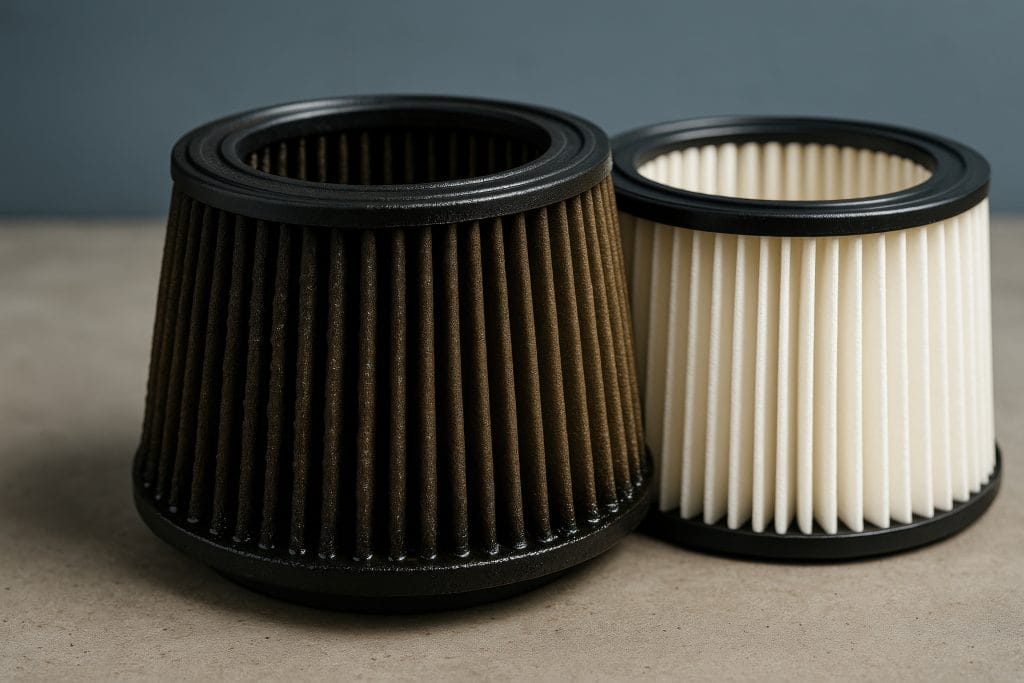
After months of furnace or heat pump use, your air filter likely contains dust, debris, and indoor pollutants accumulated during winter.
Replacing the filter during your seasonal transition:
- Improves airflow
- Reduces system strain
- Supports better indoor air quality during pollen season
In Greenville, spring pollen can quickly clog filters. Checking your filter at the start of cooling season is one of the simplest ways to protect system performance.
Step 2: Update Thermostat Settings for Spring
Transitioning from heating to cooling requires adjusting your thermostat schedule.
If you use a programmable or smart thermostat, update your seasonal programming to reflect warmer afternoons and mild evenings. Many Greenville homeowners find that setting temperatures between 76–78°F during occupied hours balances comfort and efficiency.
Avoid dramatic temperature swings. Gradual adjustments reduce cycling stress and improve overall system performance.
Step 3: Inspect Your Outdoor Unit After Winter
Winter storms and falling debris can affect your outdoor condenser unit. Before running your AC regularly, inspect the area around the unit.
Clear leaves, branches, and dirt, and ensure at least two feet of open space around the equipment for proper airflow. You may gently rinse surface debris from the exterior with a garden hose, but avoid high-pressure cleaning.
Ensuring unrestricted airflow helps your system operate more efficiently as temperatures climb.
Step 4: Run a Short Cooling Test Cycle
Before Greenville’s summer heat arrives, run your air conditioning briefly to confirm proper operation.
Listen for smooth startup, steady airflow, and consistent cooling. Air should feel noticeably cooler within a few minutes. If you notice unusual noises, weak airflow, or warm air from vents, it may be time for professional evaluation.
Testing early helps prevent surprises during peak season.
Signs It’s Time to Schedule Professional Service
While many seasonal transition steps are homeowner-friendly, certain warning signs require expert attention. If your system struggles to cool, makes unusual noises, produces inconsistent airflow, or causes sudden increases in energy bills, scheduling a professional inspection is wise.
Catching small concerns early can prevent larger issues when your system is working hardest.
Why Seasonal HVAC Transitions Matter in Greenville
Greenville’s climate shifts rapidly from mild winter conditions to warm, humid weather. Preparing your HVAC system during this transition reduces stress on equipment, improves efficiency, and supports better indoor comfort as pollen and humidity increase.
A proactive seasonal approach keeps your system ready for the months ahead.
Schedule a Spring HVAC Check in Greenville
If you’d like added peace of mind during your seasonal transition, scheduling a professional inspection ensures your system is ready before peak cooling demand begins.


